

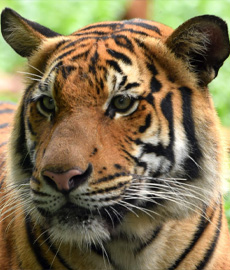
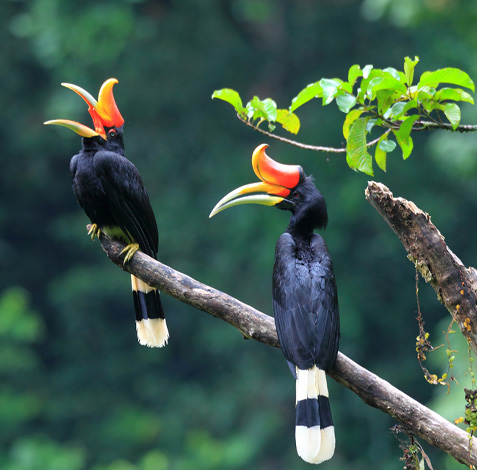
The following list of mammals includes animals that have been observed either through direct physical encounters or captured on cameras that have been set up in the DTC and Cherul areas. These observations are further supported by research conducted by a range of agencies and non-governmental organizations (NGOs). The studies carried out by these entities provide additional evidence of the presence of these mammals in the specified regions. Some of the species listed are considered endangered, and their conservation status is noted according to the International Union for Conservation of Nature (IUCN) Red List. This highlights the importance of monitoring and protecting these species to ensure their survival in their natural habitats
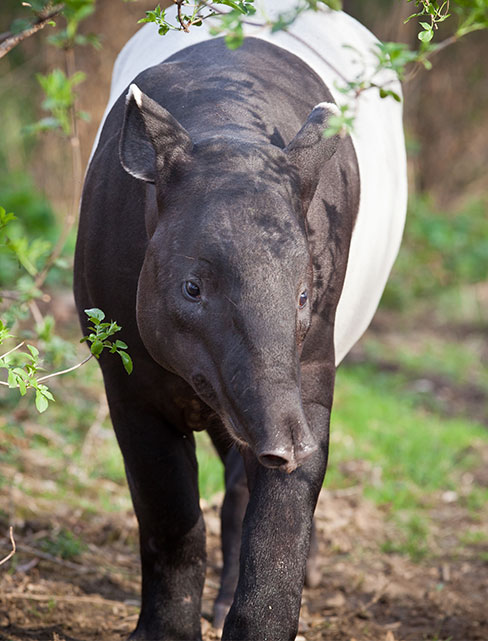
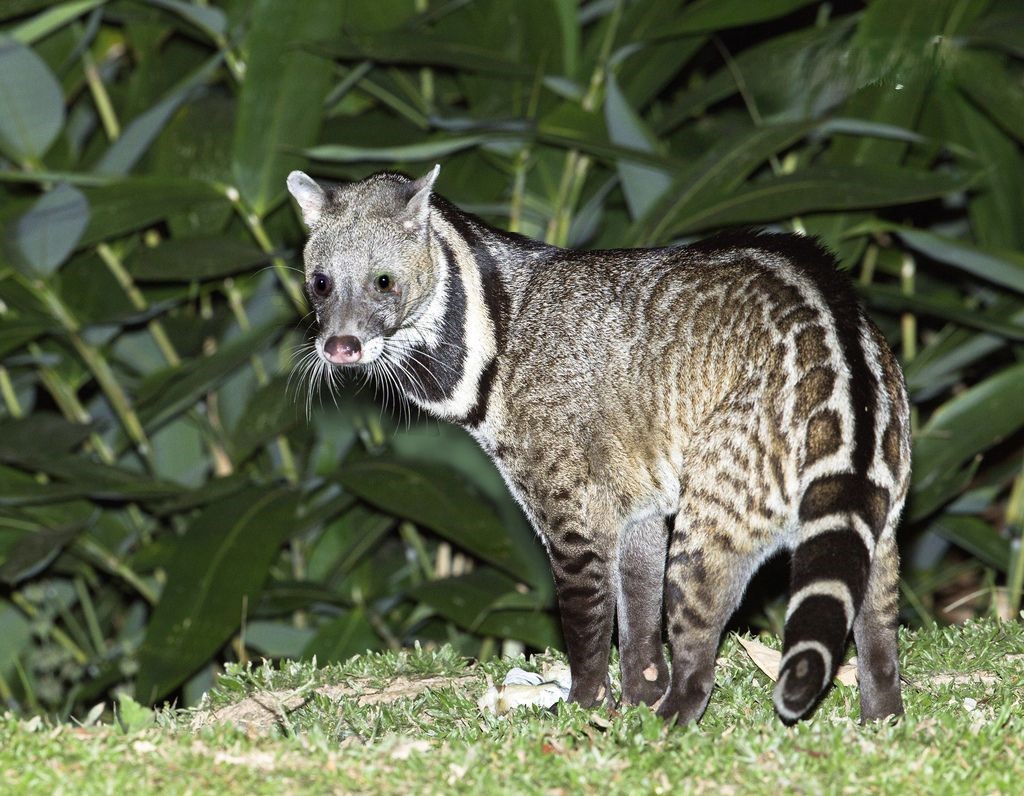
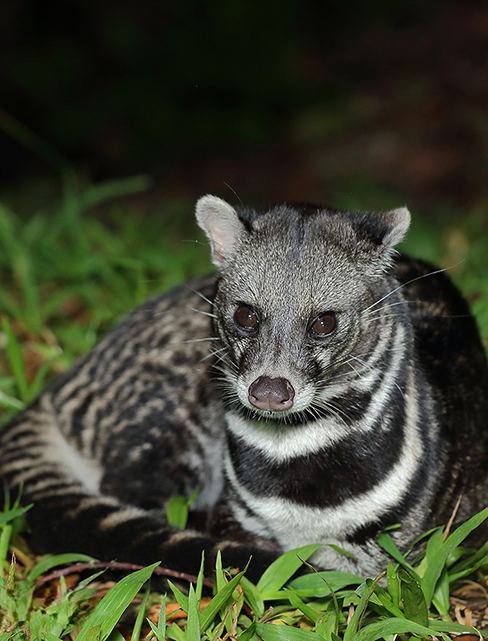
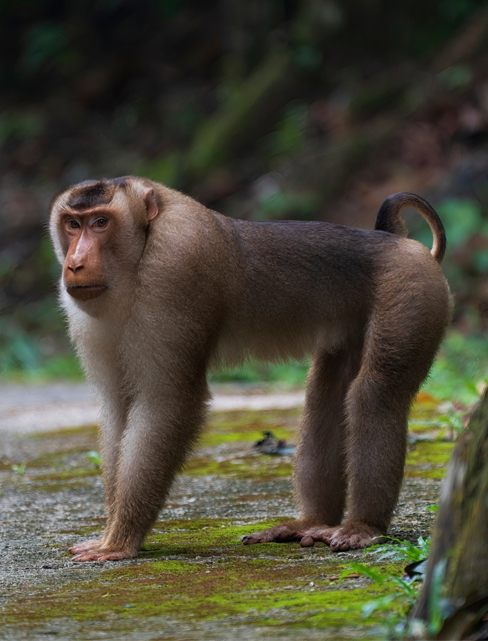
Macaca nemestrina
Macaca nemestrina, commonly known as the southern pig-tailed macaque, is a primate species native to Southeast Asia, including Thailand, Malaysia, and Indonesia. These macaques are medium-sized with distinctive short tails that resemble a pig's tail, and they have a brown or grey coat with lighter underparts. They are omnivorous, feeding on fruits, seeds, insects, and small animals, and they live in social groups with complex hierarchies. The species is known for its intelligence and is sometimes trained for tasks such as harvesting coconuts. Unfortunately, their populations are declining due to habitat loss and hunting, making them a species of concern for conservationists.
Protection status : Protected
IUCN status : Vulnerable
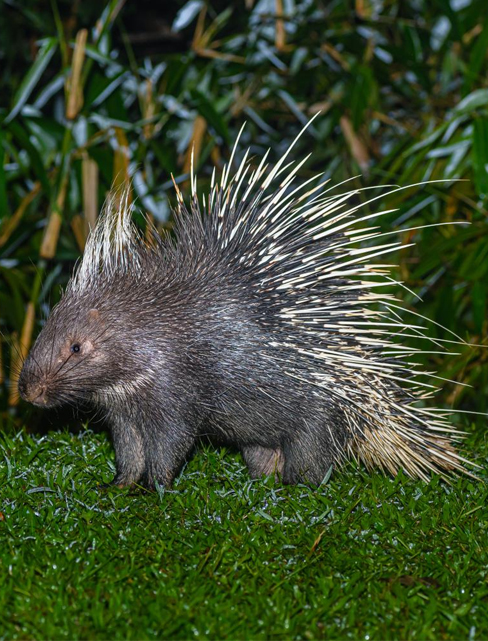
Hystrix brachyura
Hystrix brachyura, commonly known as the Malayan porcupine, is a large rodent native to Southeast Asia, including countries like Thailand, Malaysia, and Indonesia. It has a distinctive appearance with a coat of sharp quills used for defense against predators. This nocturnal animal forages at night, feeding on roots, tubers, and fallen fruits. Despite its formidable defense mechanisms, it faces threats from habitat loss and hunting. The Malayan porcupine plays a role in its ecosystem by aiding in seed dispersal and soil aeration through its burrowing activities.
Protection status : Protected
IUCN status : Least concern
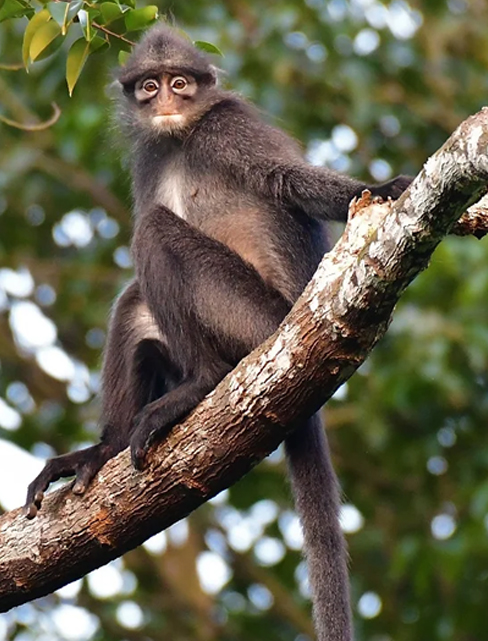
Presbytis femoralis
Presbytis femoralis, commonly known as the banded langur or Raffles' banded langur, is a species of primate in the family Cercopithecidae. Native to Southeast Asia, it is primarily found in the forests of Malaysia, Singapore, and Indonesia. These arboreal monkeys are characterized by their distinctive black-and-white facial patterns and long tails. They live in social groups and feed mainly on leaves, fruits, and seeds. Due to habitat loss and fragmentation, Presbytis femoralis is considered a vulnerable species, with efforts underway to conserve its remaining populations.
Protection status : Protected
IUCN status : Near threatened
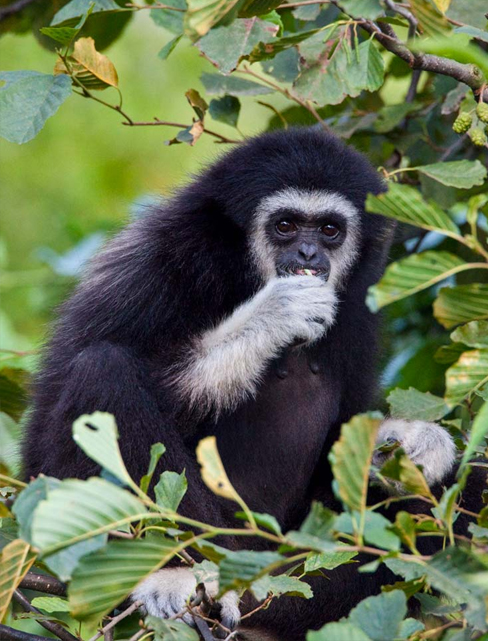
Hylobates lar
Hylobates lar, commonly known as the lar gibbon or white-handed gibbon, is a small arboreal primate native to the forests of Southeast Asia. Recognized by their long arms and distinctive white hands and feet, these gibbons are known for their incredible agility and acrobatic brachiation through trees. They are social animals, typically living in small family groups, and are also notable for their complex vocalizations used in communication and territory marking. Unfortunately, their populations are threatened by habitat loss and hunting.
Protection status : Totally protected
IUCN status : Endangered
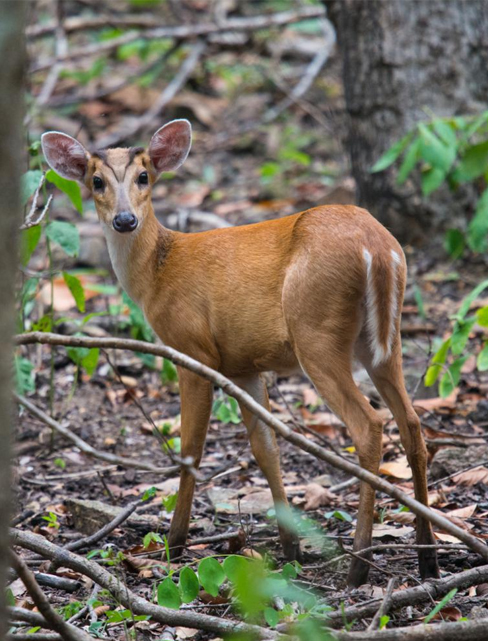
Muntiacus muntjak
Muntiacus muntjak, commonly known as the Indian muntjac or barking deer, is a small deer species native to South and Southeast Asia. It is characterized by its reddish-brown coat, short antlers on males, and distinctive barking alarm call. The species is highly adaptable, inhabiting a variety of environments ranging from dense forests to open grasslands. Indian muntjacs are solitary or live in small groups, feeding on a diverse diet of fruits, shoots, and leaves. Despite habitat loss and hunting pressures, they are currently classified as a species of least concern due to their wide distribution and population stability.
Protection status : Protected
IUCN status : Least concern
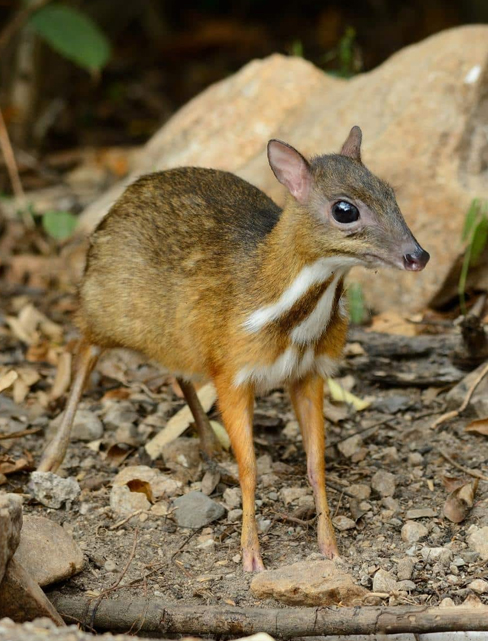
Tragulus javanicus
Tragulus javanicus, commonly known as the Javan mouse-deer or lesser mouse-deer, is a small, shy, and nocturnal ungulate native to Southeast Asia, particularly found in Indonesia and Malaysia. This tiny creature, which measures about 45 centimeters in length and weighs around 2 kilograms, resembles a delicate, miniature deer with slender legs, a short tail, and a sleek brown coat with white markings. Despite its deer-like appearance, it belongs to the chevrotain family and is notable for its solitary and secretive behavior, often dwelling in dense forest underbrush where it feeds on leaves, fruits, and other vegetation.
Protection status : Protected
IUCN status : Data deficient
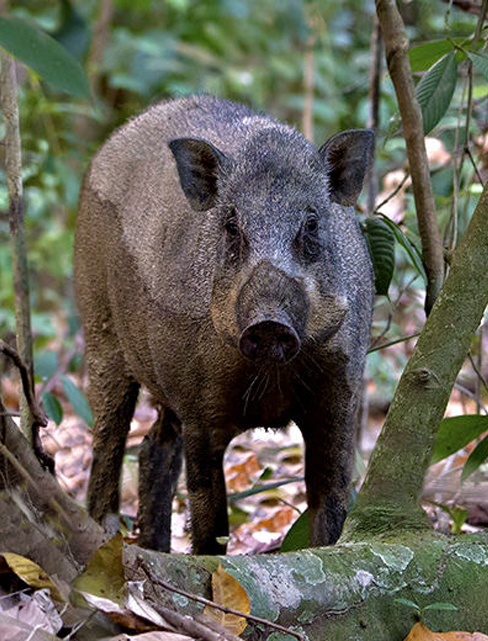
Sus scrofa
Sus scrofa, commonly known as the wild boar, is a large, omnivorous mammal native to Eurasia and North Africa, and has been introduced to many other parts of the world. It is characterized by a robust body, coarse fur, and a distinctive snout used for rooting in the ground. Wild boars are highly adaptable, thriving in a variety of habitats from forests to grasslands, and they are known for their intelligence and complex social structures. They have a significant impact on their ecosystems and can also pose challenges in areas where they become invasive.
Protection status : Protected
IUCN status : Least concern
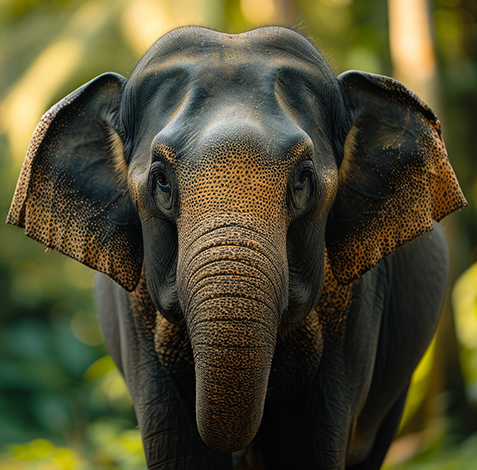
Elephas maximus
Elephas maximus, commonly known as the Asian elephant, is the largest living land animal in Asia. Native to the Indian subcontinent and Southeast Asia, these elephants are characterized by their smaller ears compared to African elephants, and they are generally smaller in size. Asian elephants are highly social and live in matriarchal herds. They play a crucial role in their ecosystems by aiding in seed dispersal and creating pathways in dense forests. Unfortunately, they are an endangered species due to habitat loss, human-elephant conflicts, and poaching for their tusks and skin.
Protection status : Protected
IUCN status : Endangered
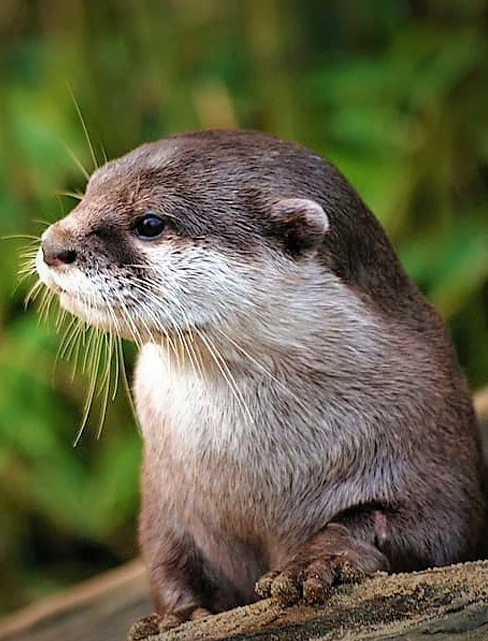
Lutra perspicillata
The smooth-coated otter (Lutrogale perspicillata) is a species of otter native to South and Southeast Asia, recognized for its sleek, smooth fur. They inhabit freshwater rivers, lakes, and coastal areas, and are highly social animals, often seen in family groups. These otters are adept swimmers, using their webbed feet to navigate waters in search of fish, crustaceans, and small mammals. Despite being adaptable, their populations are declining due to habitat destruction, pollution, and poaching, leading to their classification as vulnerable by the IUCN.
Protection status : Total protected
IUCN status : Vulnerable
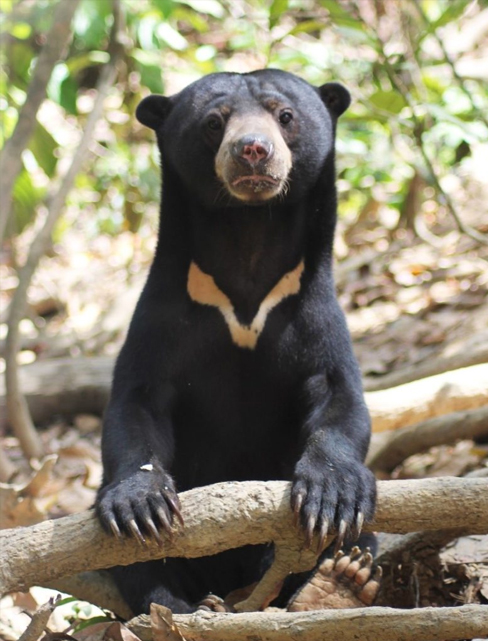
Helarctos malayanus
The Malayan sun bear, also known as the "honey bear," is the smallest bear species, native to Southeast Asia. Recognizable by its sleek black fur and distinctive yellowish crescent patch on its chest, these solitary creatures inhabit dense tropical forests and feed mainly on fruits, insects, and honey. Their nimble climbing abilities and long tongues aid in foraging. Despite their small size, they possess powerful jaws and sharp claws. Threatened by habitat loss and poaching, they are listed as Vulnerable by the IUCN, underscoring the importance of conservation efforts to ensure their survival.
Protection status : Protected
IUCN status : Vulnerable
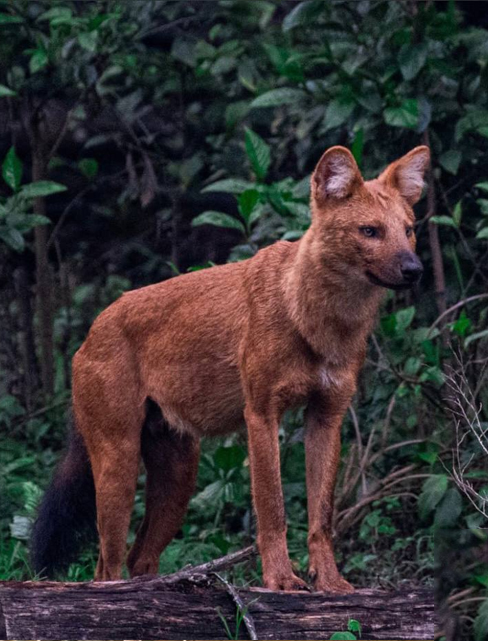
Cuon alpinus
The Asiatic wild dog, also known as the dhole, is a highly social and elusive carnivore native to Asia. Sporting a reddish-brown coat and unique white markings, they thrive in diverse habitats such as forests, grasslands, and mountains. Dholes hunt cooperatively in packs, preying on various animals like deer, wild boar, and smaller mammals. Despite their adaptability, they face threats from habitat loss, hunting, and diseases transmitted from domestic dogs. Conservation efforts aim to safeguard their populations and preserve the ecological balance they contribute to their habitats.
Protection status : Total protected
IUCN status : Endangered